Blogs / Returns
RAK Real Estate ROI: How to Calculate Your True 5-Year Investment Return

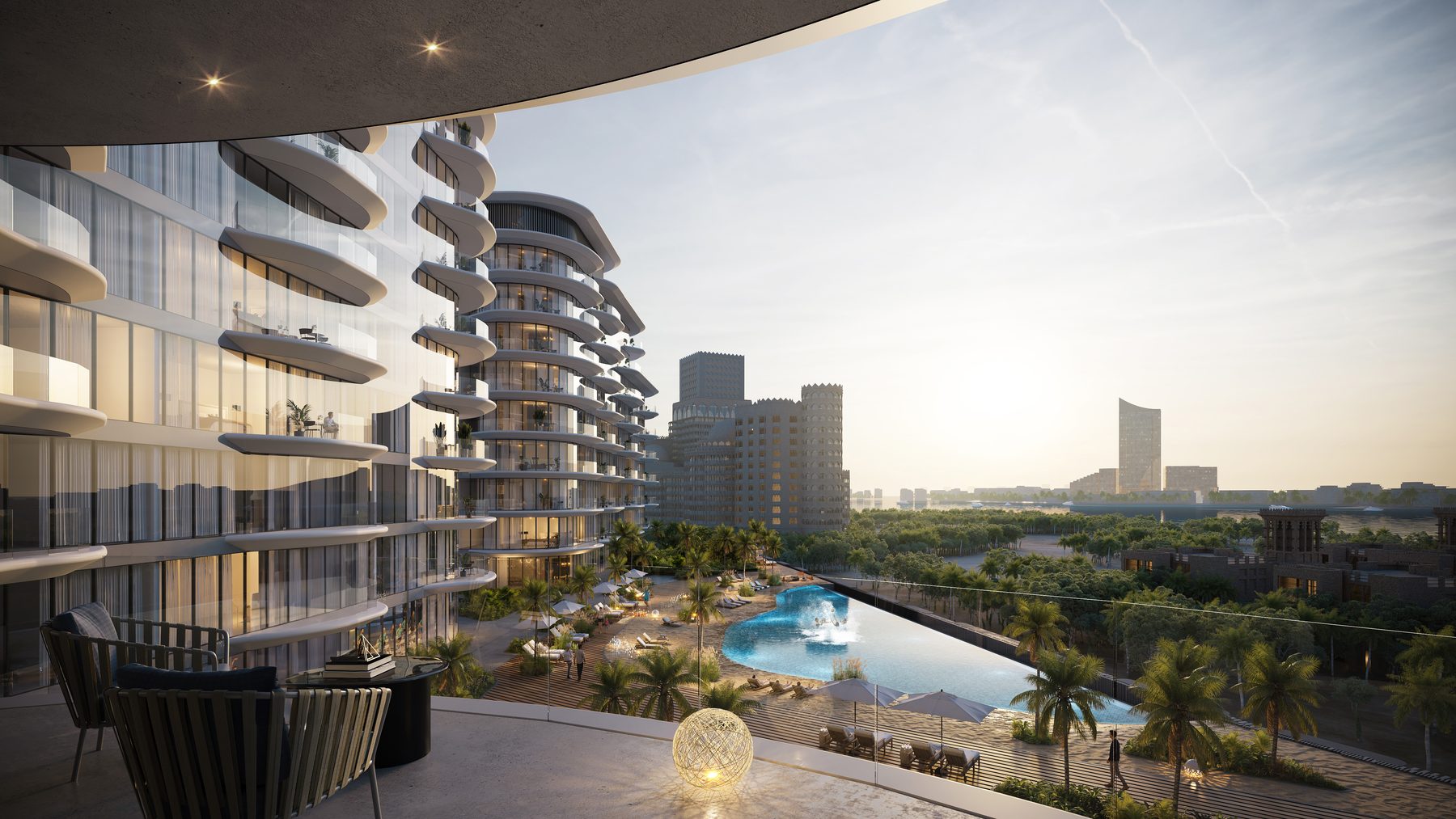
Real estate investment in Ras Al Khaimah has rapidly gained attention from regional and international investors. With the rise of branded residences, beachfront communities, and tourism-driven demand, areas like Marjan Island and Al Hamra Village are now positioned as high-potential investment zones.
However, one critical question remains:
What is the real return on investment (ROI) — not just advertised yields, but actual net profit over time?
This article breaks down how ROI works in real estate and introduces a practical way to calculate it using a structured, data-driven approach.
What Is ROI in Real Estate?
Return on Investment (ROI) is a performance metric used to evaluate the profitability of an investment.
In simple terms:
ROI = (Total Profit ÷ Initial Investment) × 100
But in real estate, this calculation becomes more complex. A proper ROI model must include:
- Rental income (short-term or long-term)
- Property appreciation over time
- Service charges and operational costs
- Management fees
- Market timing (especially off-plan vs ready properties)
Most investors overlook these variables — leading to overly optimistic expectations.
Why Traditional ROI Calculations Are Misleading
Many online estimates focus only on gross rental yield. This approach ignores key cost components such as:
- Annual service charges (AED per sq.ft)
- Property management fees (especially for short-term rentals)
- Vacancy or occupancy rates
- Furnishing costs (for non-furnished units)
- Construction and handover timelines
As a result, investors often overestimate returns and underestimate risk.
A Smarter Approach: 5-Year Net ROI Modeling
To address these gaps, we use a 5-year investment model that simulates real market behavior.
This model includes:
1. Rental Income (Net)
Rental returns are calculated based on:
- Market yield by location
- Occupancy rate
- Deduction of service charges and management fees
2. Handover Impact (Off-Plan Advantage)
A key feature in off-plan investments is the handover jump.
When a property transitions from under construction to ready, its market value typically increases due to:
- Reduced risk
- Immediate usability
- Higher demand
In this model, a one-time value adjustment is applied during the delivery year.
3. Capital Appreciation
Property value grows annually based on market scenarios:
- Conservative growth
- Average market performance
- High-growth (event-driven scenarios)
This growth is compounded over time.
4. Total Net ROI
The final ROI combines:
- Total rental profit over 5 years
- Capital gain from property appreciation
Providing a realistic projection of investment performance.
Use the RAK Investment Calculator
To simplify this process, you can use our interactive calculator:
Open the RAK Investment Calculator
This tool allows you to:
- Select a project and location
- Input price and unit size
- Adjust growth expectations
- Choose rental strategy (short-term vs long-term)
- Simulate occupancy rates
The result is a detailed 5-year breakdown including:
- Annual net rental income
- Market value progression
- Exit gain
- Total ROI percentage
Example Scenario
A beachfront apartment in Marjan Island priced at AED 2.3M, with average market growth and short-term rental strategy, could generate a significantly higher ROI compared to traditional long-term leasing — especially when factoring in tourism demand and branded developments.
Where Are the Best Investment Areas in RAK?
Some of the most active investment zones include:
- Marjan Island – High-end beachfront developments and strong short-term rental demand
- Al Hamra Village – Established community with stable yields
- Mina Al Arab – Lifestyle-focused waterfront living with long-term growth potential
Each area offers a different investment profile depending on your strategy.
Need a Personalized Investment Analysis?
If you want a tailored ROI breakdown based on real market opportunities and off-market deals, feel free to get in touch.